
 Infant Journal
 Browse articles
Urgent and emergency maternity care is now safer as midwives have implemented a new approach to triage
In November 2024 the maternity triage teams based at Royal Derby Hospital and Queen's Hospital Burton successfully implemented the Birmingham Symptom-specific Obstetric Triage System (BSOTS), which is best practice for maternity triage and uses a similar approach to A&E to prioritise women based on clinical need.
The new approach has led to significant improvements and is supporting midwives to quickly identify and treat women who are high risk, and for women who are not an emergency there are clearer timelines meaning maternity teams can better manage expectations, helping families feel more reassured and informed during visits.
Through BSOTS, maternity triage is now accessed through a single phoneline which is manned 24/7 by a dedicated experienced midwife with those who need a physical assessment invited to attend maternity triage and assessed within 15 minutes. The service supports women with pregnancy-related concerns from 16 weeks of pregnancy to six weeks postnatally, with direct access for families who find telephone communication difficult.
The project is part of the Maternity and Neonatal Improvement Programme (MNIP), aiming to improve outcomes and experience for women and babies with concerns during pregnancy and is one of many changes that have been made to improve maternity and neonatal care.
In recognition of the dedication and commitment required to implement this change, Stephen Posey, Chief Executive of UHDB, presented the triage teams with a Trust Making a Difference Award to acknowledge their commitment to improving the care and experience of maternity families.
Katherine Mabey, Consultant Midwife at the trust, has been part of the project team behind implementing BSOTS, she says: “Having an effective maternity triage system is essential as it helps ensure our patients receive timely attention and care specific to their specific needs.
“The introduction of BSOTS has been immensely rewarding, we can see firsthand the positive impact it is having on our patients, and receiving this award is truly special. Such a large scale change is not easy, but colleagues have faced this project with energy and passion, keeping focused on the priority of improving services for our patients.”
Interim Senior Midwife Sarah Gudgin has been involved in shaping the change of working processes in triage. Sarah adds: “Triage is a very busy area and responding to demand has been hugely challenging at times. The introduction of BSOTS has seen significant positive steps taken in working practice. I am so proud of the journey that the team have been on and for being recognised.”
Previously, everyone with concerns during pregnancy would have been seen in the Pregnancy Assessment Unit at Royal Derby Hospital, or the Maternity Assessment Unit at Queen's Hospital Burton, for both emergency and planned hospital appointments. These areas have now been renamed and separated so that, at both hospitals, there is a maternity triage area and a maternity day case area for planned appointments.
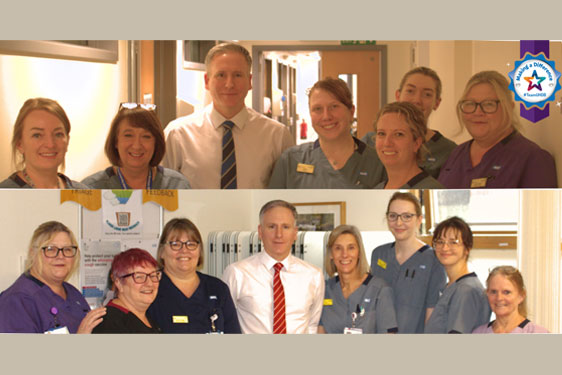
The University Hospitals of Derby and Burton NHS Foundation Trust maternity triage teams successfully implemented the Birmingham Symptom-specific Obstetric Triage System.
See our Supplier Guide:
Royal Derby Hospital
/ Queen's Hospital Burton