Introducing virtual ward rounds in a level 2 unit to improve parental attendance: a qualitative study
Parental participation in ward rounds is a key performance indicator for neonatal care, tracked by the National Neonatal Audit Programme. Despite British Association of Perinatal Medicine guidelines promoting family integrated care, our unit has consistently underperformed in this area. Parental feedback highlighted local challenges, leading to the adoption of the NHS Attend Anywhere web-based platform to enable remote participation. Virtual ward rounds (VWR) use secure video technology to facilitate remote collaboration among neonatal care teams and to involve parents when in-person attendance is limited. This study assessed the feasibility of implementing VWRs in a level two neonatal unit, with a focus on improving access for families.
Dr Mahgul GhouriResident Neonatal Doctor mahgul.ghoiuri@nhs.net
Dr Inayat Baz
Resident Neonatal Doctor
inayat.baz@nhs.net
Corresponding author
Dr Imdad Ali
Consultant Neonatologist
imdad.ali1@nhs.net
Newham University Hospital, Barts Health NHS Trust, London
Introduction
Parental participation in ward rounds is a key performance indicator (KPI) for neonatal care, tracked by the NNAP in the UK.1 In 2021 the British Association of Perinatal Medicine introduced guidelines to promote FiCare, emphasising the critical role of parents in ward rounds and decision-making.2 Despite these efforts, we needed to look at why our unit consistently performed below the national average for this KPI. Parental feedback identified several local challenges. To address these, we explored solutions like the Attend Anywhere platform, enabling remote participation when physical attendance is not possible. The COVID-19 pandemic further hindered family involvement due to restrictions; negatively affecting both family and healthcare professionals’ wellbeing.3 Evidence suggests that family involvement improves neonatal outcomes, such as reducing infections, enhancing growth and shortening hospital stays.4
The NICU is a high stress, emotionally charged environment where families often experience significant distress, due to factors such as separation from their infant, complex medical procedures and the disruption of expected parental roles.5,6 Family integrated care (FiCare) has emerged as an effective model to mitigate these stressors, by actively involving families in their infant’s care, including participation in medical rounds. Research shows that FiCare reduces stress and improves outcomes for infants and families.7,8 However, policies restricting family presence, especially during the COVID-19 pandemic, posed significant barriers to family involvement, leading to increased caregiver stress and decreased satisfaction with care.9,10
FiCare emphasises the importance of family involvement in shared decision-making during medical rounds, which are typically conducted by a multidisciplinary team (MDT) of healthcare providers.11 The NICU MDT includes a range of specialists, including nurses, pharmacists, dietitians and neonatologists, with parents considered vital partners in the care process.9 Daily MDT rounds in the NICU involve safety assessments, family updates, education and the development of care plans, all of which are essential to providing optimal care.11 Family participation in medical rounds is central to the FiCare model, as it fosters active involvement in shared decision-making and enhances the quality of care.12
To address these challenges, the level 2 NICU at Newham University Hospital implemented Attend Anywhere, allowing families to participate remotely in medical rounds. This initiative aimed to ensure continued family involvement in the care process when physical attendance was not feasible.
Virtual care, which involves remote interactions between patients and healthcare teams via communication technology, has become a viable alternative to traditional in-person rounds.13 This study explores the feasibility and acceptability of VMRs in the NICU, evaluating their effectiveness in promoting family involvement. Supporting family presence in the NICU has been shown to reduce distress and improve outcomes for both infants and families.7,8,14
Challenges
The successful implementation of virtual rounds in healthcare faces several challenges, including technical issues such as reliable internet access, platform compatibility and ensuring robust security. Additionally, healthcare professionals need training to effectively use telemedicine tools and facilitate smooth virtual interactions. Privacy concerns also play a critical role, with safeguarding patient information being a key priority in virtual care environments. Addressing these challenges is essential for optimising virtual care delivery.
Methods
Study design
This qualitative prospective study was conducted over eight months (March to October 2024) in a level 2 neonatal unit serving more than 5,500 annual births and approximately 500 neonatal admissions. The study was structured in three phases:
1. Initial survey
Parents were asked three targeted questions to assess their willingness to participate in VWRs and to identify perceived barriers, such as access to technology, confidentiality concerns or scheduling challenges.
Question 1: Would you be willing to participate in VWRs when attending in person is not possible?
Question 2: What challenges or barriers do you anticipate in attending ward rounds in person?
Question 3: Do you have adequate access to the digital tools and internet connection required for VWR participation?
2. Implementation phase
A parent information leaflet was developed to explain the purpose, process and benefits of VWR. Concurrently, training sessions were provided for
staff and parents on using Attend Anywhere, ensuring ease of access and technical confidence.
3. Post-trial feedback
After VWR implementation, structured feedback was collected through four questions directed at parents, nurses and medical staff to evaluate the feasibility, acceptability, perceived benefits and any ongoing concerns related to virtual participation in ward rounds. The questionnaire for both the medical and the nursing team was the same, but families had a different questionnaire.
Questionnaire for families:
a. Were you satisfied with your experience using VWRs and would you recommend them to others, such as family or friends?
b. Did you feel you were given enough time and received all the information you needed during the virtual consultation?
c. Did you experience any significant delays while waiting for your virtual consultation to begin?
d. Did you encounter any issues with internet connectivity or technical problems during the VWR?
Medical and nursing questionnaire:
a. Would you be happy to continue using VWRs in the future?
b. Did the use of VWR have any impact on the duration of ward rounds?
c. Did VWR affect bedside teaching opportunities for residents and nurses?
d. Did you experience any connectivity or technical issues during the VWRs?
Participants
Parents of infants who were admitted to the unit for a period lasting over five days were included. Mothers who had been discharged and had used the Attend Anywhere platform at least once were eligible for inclusion. The study ran from September 2024 to April 2025.
Intervention
VWRs were delivered using Attend Anywhere, an established NHS tool originally developed for outpatient clinics. The tool was adopted by our hospital during the COVID-19 pandemic.
In this study, the traditional format was adapted: clinicians were in the hospital with the patient, while parents participated remotely from home using internet-enabled mobile devices or tablets with camera access. This approach enabled real-time communication and parental involvement despite physical absence.
Procedure
Once parents consented to participate, they received a 10-15-minute demonstration on accessing and navigating Attend Anywhere. Parents were also provided with an information leaflet with all necessary information. Parents then joined VWRs alongside the healthcare team. Data were collected after parents had participated in at least one VWR session.
Data collection
Parents
Parental feedback was collected using a two-part questionnaire. The first part, completed before starting VWRs, explored barriers to parents’ physical attendance and their willingness to consider a virtual alternative. The second part was administered after participation in VWRs to assess their experience and satisfaction with the approach.
A total of 62 parents completed the pre-trial questionnaire, expressing their support for using a digital platform as an alternative means to participate in ward rounds when physical attendance was not possible.
A questionnaire was administered to 114 parents who had participated in at least one VWR. It explored the feasibility and convenience of joining ward rounds from home, identified any challenges encountered and assessed overall satisfaction with the experience.
Healthcare providers
Separate questionnaires were distributed to junior doctors (n=12), consultants (n=6) and neonatal nurses (n=43) to evaluate their experiences with VWRs, including perceived benefits and challenges of using the platform.
Data analysis
Data from parent and healthcare provider questionnaires were manually collected and analysed using descriptive statistics for quantitative responses and thematic analysis for qualitative feedback.
Ethical considerations
All participants provided informed consent prior to involvement, with institutional ethics committee approval deemed unnecessary since the Attend Anywhere platform was already in routine use within the hospital.
Results
A total of 62 families participated in the initial survey, with universal support for VWR (100%). Reported barriers to attending in-person ward rounds included childcare responsibilities (n=41, 66%), financial constraints (n=10, 16%) and lack of transportation (n=20, 32%). Most families (n=54, 87%) reported having access to a smartphone or tablet and a stable internet connection (FIGURE 1).

FIGURE 1 All 62 families (100%) supported virtual ward rounds. Barriers to in-person attendance included childcare (66%), lack of transportation (32%), and financial constraints (16%). Most families (87%) had access to a smartphone or tablet with stable internet.
During the post-trial feedback stage, responses were received from 114 parents (including 29 couples). Of these, 107 (94%) expressed satisfaction with the VWR experience and indicated they would recommend it to friends and family. A total of 102 (89%) reported being satisfied with the time allocated and the information provided during the consultation. Most respondents (n=92, 80.7%) experienced timely consultations, although delays were more commonly noted during weekends. The majority (n=84, 73%) did not encounter connectivity issues, with most technical difficulties limited to video quality (FIGURE 2).

FIGURE 2 Of 114 parents, 94% were satisfied with the VWR experience and would recommend it; 89% were happy with consultation time and information; 81% had timely consultations, though weekend delays occurred; and 73% reported no connectivity issues, with technical problems mainly related to video quality.
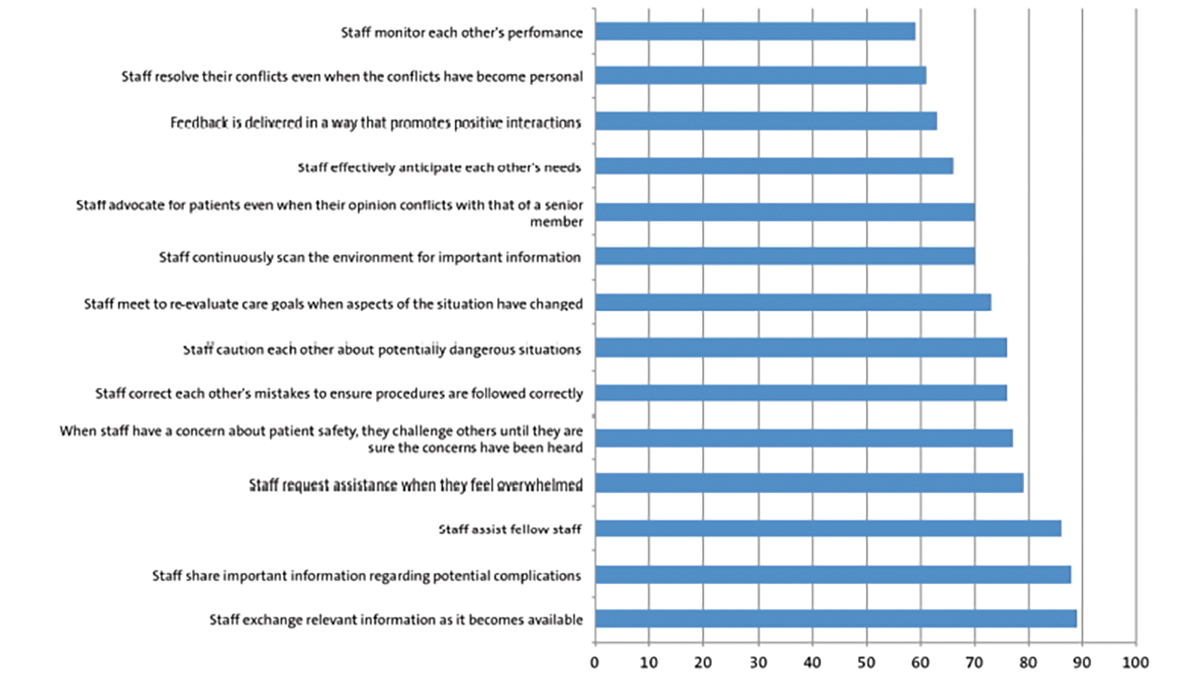
Among healthcare professionals, 18 medical doctors (six consultants and 12 resident doctors) and 43 nursing staff provided feedback. Overall, 57 (93%) expressed willingness to continue using VWR in the future. Most respondents (n=58, 95%) reported no significant delays in ward round timing, although minor issues were noted during weekends. Additionally, 56 (91%) indicated that bedside teaching for trainees was not adversely affected using VWR. While 52 (85%) reported no major concerns with the platform, intermittent video-related issues were identified (FIGURE 3).

FIGURE 3 Of 61 healthcare professionals, 93% supported continuing VWR. Around 70% reported no significant delays, with minor weekend issues; 91% found bedside teaching unaffected; 85% had no major IT issues; and 23% expressed concerns about confidentiality.
Parental feedback
Most parents were in favour of continuing VWRs for those unable to attend in person. A key positive aspect highlighted by parents was that they allowed extended family members, including grandparents and siblings, to see the child in the NICU, which was particularly valuable for families who faced logistical challenges in visiting.
Parents who participated in VWRs reported increased confidence in the healthcare team, with many noting improved communication between parents and healthcare professionals. This increase in communication was seen as a significant benefit, as it allowed for more active involvement in the care process despite physical distance.
However, some parents raised concerns about the wait times before the VWRs began. Approximately 30% of parents reported feeling that they had to wait too long for their turn. Despite this, most acknowledged that they were kept informed about delays, which helped mitigate their concerns.
Healthcare provider feedback
Healthcare providers, including medical and nursing staff, were largely supportive of VWRs, recognising their potential to enhance parental involvement and improve communication. However, a significant portion of the medical and nursing team (about 45%) expressed concerns that VWRs would require more time to complete compared to traditional in-person ward rounds.
Additionally, 30% of trainees felt that attending VWRs resulted in decreased teaching opportunities. This feedback suggests that while they can improve communication with parents, there may be challenges in terms of training and educational value for junior medical staff during these sessions.
Overall impact
During the eight-month trial period, the neonatal unit, with an average of 18 beds, saw a significant increase in parental participation in ward rounds. With up to three families attending virtually, this resulted in a 13.8% rise in overall parental involvement, marking a notable improvement in engagement. This demonstrates the positive impact of VWRs in enhancing family participation and involvement in their infant’s care.
The results of the study indicate that VWRs are a well-received innovation for enhancing parental involvement, particularly for those unable to be physically present in the NICU. While there were some concerns about time management and the impact on trainee education, the overall response from both parents and healthcare providers was positive, supporting the potential for VWRs to become a regular component of family-centred care in the NICU.
Discussion
VWRs in the neonatal unit mark a transformative shift in the delivery of care. By integrating technology, both family involvement and the quality of patient care is enhanced. By using digital platforms such as video conferencing, virtual rounds enable parents to participate in discussions about their infant’s health, despite physical barriers such as illness, geographic distance, or conflicting responsibilities like work or childcare. This virtual approach not only facilitates continued parental engagement but also strengthens the relationship between parents and healthcare professionals, reinforcing FiCare model, which emphasises the importance of family involvement in neonatal care.
Studies have demonstrated that VWRs can significantly reduce parental anxiety, providing families with an avenue to ask questions and receive updates in real time. The ability to directly observe care discussions and have an active role in decision-making helps to alleviate the emotional strain that many parents experience when their child is in NICU. Moreover, virtual rounds increase accessibility to clinical information, allowing parents to better understand their infant’s condition, treatment plan and progress.
The widespread acceptance of VWRs in NICUs, including local neonatal units, highlights their feasibility and positive reception by both families and healthcare professionals. Feedback from parents has generally been favourable, with many expressing a preference for this modality, especially in circumstances where attending in person is not possible. Healthcare providers, including doctors and nurses, have similarly reported that virtual rounds do not significantly disrupt the clinical workflow and can be seamlessly integrated into daily practices. While virtual rounds have been shown to enhance engagement and improve parental satisfaction, ongoing research is essential to evaluate their long-term impact. This includes investigating their influence on family support, their scalability in various NICU settings, and their potential to improve neonatal outcomes by fostering stronger family-provider relationships. In the future, VWRs could evolve into a standard practice in NICUs, providing a flexible, accessible and effective way to involve families in the care of their infants.
Conclusion
VWRs provide an innovative solution for parents to remotely engage in their infant's care, reducing anxiety and promoting increased involvement in the FiCare model. Both families and healthcare professionals have expressed positive feedback, highlighting the benefits of this approach. While in-person participation remains the preferred method for communication and information exchange, virtual rounds serve as a valuable alternative. Future research is essential to further explore the impact of VWRs on family involvement, social support and its potential to become a standard practice on neonatal units.
- Virtual ward rounds use secure video technology.
- FiCare is essential for parental wellbeing.
- Virtual ward rounds enhance communication, specialist access and continuity of care.
- NHS Attend Anywhere is a web-based platform designed to offer video consultations.
Also published in Infant: